Why the Best Storage Strategy is Managing What You Have, Not Buying More
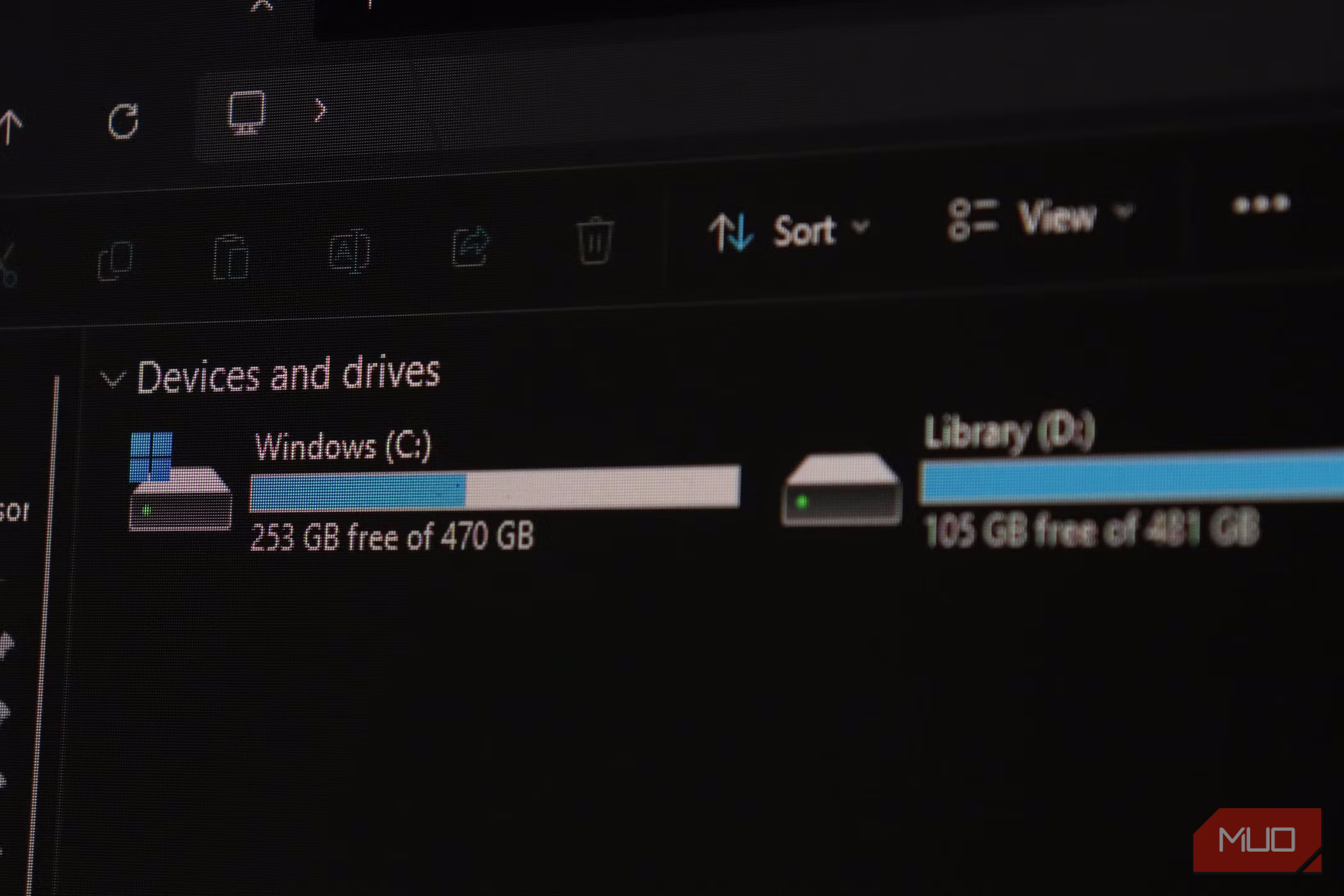
We've all been there: that dreaded notification pops up, warning that your device's storage is nearly full. Whether it's a phone, computer, external drive, or cloud account, the ritual is universal. Yet, most people react the same way—by buying more storage space instead of tackling the underlying issue. This article explores why that knee-jerk reaction is counterproductive and explains the storage upgrade that truly works, but that everyone avoids.
1. Why do storage warnings keep appearing?
Storage warnings are a recurring event for nearly every digital device owner. They happen because we constantly add files, photos, videos, apps, and documents faster than we remove them. Even with large-capacity drives, the accumulation of data eventually fills available space. The warning itself is a symptom of digital hoarding—holding onto files we no longer need, duplicates, or outdated downloads. Managing this buildup requires deliberate action, yet most people ignore it until the system screams.
2. What is the common but ineffective response to storage warnings?
The easy fix is to buy more space: a larger internal drive, an external hard drive, or an upgraded cloud subscription. This approach is popular because it requires minimal effort—just spend money and transfer files. However, this is only a temporary solution. Without addressing the real problem, you simply delay the next warning. You end up with more physical drives to manage, higher cloud fees, and an increasingly cluttered digital life. The avoided alternative is to actually manage the data you already own.
3. Why do people avoid managing their existing data?
People avoid data management for several reasons. First, it feels overwhelming—sorting through years of files, deleting duplicates, and organizing folders can seem like a huge task. Second, there's fear of deleting something important, even when the risk is low. Third, it's easier to buy a $50 external drive than to spend hours cleaning up. Finally, many lack a system: they aren't sure how to efficiently categorize or backup data. This avoidance leads to a cycle of buying more storage instead of reclaiming existing space.
4. How can small steps in digital decluttering help?
Digital decluttering doesn't have to be a massive project. Start with simple actions: delete duplicate photos, remove old downloads, empty the trash, and uninstall unused apps. Use tools like disk analyzers to identify large files. Set a timer for 15 minutes a week to clean one folder. These small efforts gradually free up significant space. They also create a habit, so you regularly maintain your storage. The key is that consistent small steps are far more effective than sporadic big purchases of new drives.
5. What are the hidden costs of always buying more storage?
Constantly buying new storage devices or upgrading cloud plans has hidden drawbacks. Financial costs add up over time, especially for cloud subscriptions. Physical clutter increases as you accumulate multiple external drives. Data fragmentation makes it harder to find files—they're scattered across devices. Security risks grow because older drives may contain sensitive data that's poorly organized. And environmental impact of hardware production is often overlooked. All these costs could be reduced by doing the unpopular work of data management.
6. What is the best storage upgrade that people avoid?
The best storage upgrade isn't a new drive or a larger cloud plan—it's deleting and organizing what you already have. This strategy requires effort, but it's free, permanent, and improves efficiency. By removing redundant files, you free up space without spending money. You also reduce backup sizes and speed up device performance. Every time you resist the urge to buy more storage and instead clean up, you're making a smarter choice. In the long run, this habit is the upgrade that keeps on giving.
Related Articles
- 10 Critical Insights into the EtherRAT Campaign Targeting IT Professionals via Fake GitHub Repos
- Revolutionizing Community Search: How Facebook Groups Now Deliver Smarter Answers
- Building Amiable Online Communities: Insights from the Vienna Circle
- Partial Cloud Failures Becoming Frontend Crisis: Experts Demand New Resilience Blueprint
- Defending Your Mac Against Malicious Ad Campaigns: A Guide to Safe Package Installation
- System Tools Are Failing User Experience: Experts Call for Emotional Design Revolution
- Exposing the BufferZoneCorp Supply Chain Attack: Q&A on Credential Theft via Malicious Ruby Gems and Go Modules
- 8 Reasons the RAM Price Surge Hits Everyone, Not Just PC Enthusiasts