Inside Google's Decision: Why Pixel Phones Won't Mimic Apple's Liquid Glass
Google has put to rest any speculation that its Pixel lineup would borrow the Liquid Glass design language from Apple’s latest operating systems. In a blunt social media response, Android president Sameer Samat dismissed the idea entirely. While the Android ecosystem includes many manufacturers that have flirted with translucent interfaces, Google is committed to its own Material Design philosophy. Here are the key questions and answers about this decision.
Why did Google's Android president reject the Liquid Glass design for Pixel phones?
During an exchange on social media, a user shared a mockup of an Android device styled with Apple’s Liquid Glass aesthetic. Sameer Samat, Google’s president of Android, responded with a definitive “Not happening! Y'all are wild.” This came after a teaser for The Android Show: I/O showed the Android mascot turning translucent, leading some to believe Google would adopt a similar look. Samat’s comment makes it clear that Google has no plans to copy Apple’s unified translucent design across its software. Instead, the company will continue refining its own visual identity, which has been in place since 2014.
What sparked the rumor that Android might adopt a Liquid Glass aesthetic?
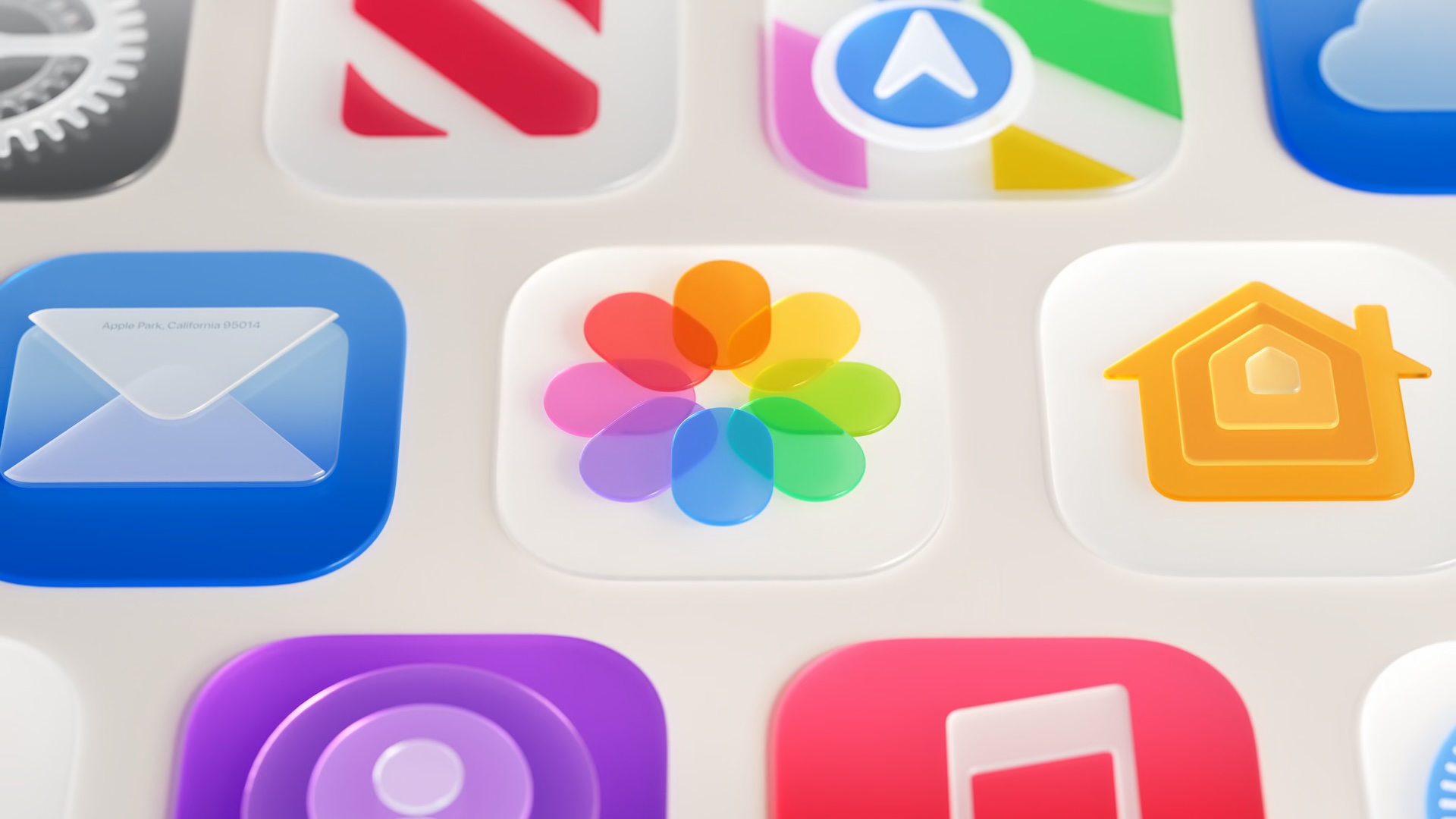
The rumor began with a teaser video for The Android Show: I/O. In the clip, the Android mascot pulls a light switch and becomes translucent. Fans interpreted this as a hint that Google would incorporate Liquid Glass—a design language Apple introduced in iOS 26, iPadOS 26, macOS 26, watchOS 26, and tvOS 26. The unified look features frosted, luminous surfaces across all Apple platforms. The teaser fueled online speculation, leading to mockups like the one Samat responded to. However, Google’s quick dismissal confirmed that the translucent mascot was merely a playful animation, not a preview of future Android design.
How does Google’s Material Design compare to Apple’s Liquid Glass?
Google introduced Material Design in 2014 as a set of guidelines emphasizing bold colors, shadows, and responsive motion. Over the years it has evolved—most recently with Material 3 Expressive in 2025, which adds springy, natural animations and dynamic color themes. In contrast, Apple’s Liquid Glass uses frosted, blurry layers that simulate depth and light refraction, giving a unified, almost liquid appearance across all Apple apps. While both aim for visual clarity, Google prioritizes adaptability and customization (especially for third-party developers), whereas Apple locks its cohesive look into every corner of its ecosystem. Google’s approach allows more flexibility for different device form factors and screen sizes.
Are any Android manufacturers already using Liquid Glass-like designs?
Yes, several Android OEMs have adopted design elements reminiscent of Apple’s Liquid Glass. Companies like Oppo and Xiaomi have updated their custom Android skins with translucent interfaces, blur effects, and glossy icons. Even Samsung has mimicked some of Apple’s design cues, such as frosted control panels and translucent widgets. However, these are modifications layered on top of Android, not part of Google’s core operating system. Google’s Pixel phones stick to pure Android with Material Design, avoiding those third-party tweaks. The fragmentation means that while Android as a whole may have Liquid Glass-like elements, Google’s own devices will not.
What is Material 3 Expressive and how does it differ from Apple’s approach?
Announced in 2025, Material 3 Expressive is the latest update to Google’s design system. It introduces more springy, natural animations and dynamic color themes that adapt to the user’s wallpaper. Unlike Apple’s Liquid Glass, which imposes a uniform frosted look, Material 3 Expressive emphasizes personalization and fluid motion. Google’s design philosophy allows apps to retain their own brand identity while following a common visual language. For example, buttons may bounce slightly when tapped, and colors shift based on system settings. Apple’s Liquid Glass, by contrast, enforces a single visual texture across all interfaces. Google believes this flexibility better suits the diverse Android ecosystem, which powers phones, tablets, foldables, and more.
What do rumors say about Android 17’s design direction?
Despite Samat’s rejection of Liquid Glass, rumors indicate that Google is not abandoning translucency entirely. Sources suggest that Android 17, expected to debut around May 12, will incorporate more blur and a flatter, frosted glass look in certain UI elements. This would be a subtle shift rather than a full-blown redesign—a nod to modern trends without copying Apple wholesale. Google will likely reveal more at its annual I/O event. The company is balancing its desire for a fresh visual identity with its commitment to Material Design’s core principles. If the rumor holds, Pixel users can expect a cleaner, slightly more translucent interface while keeping the dynamic colors and animations that define Android.
Related Articles
- Building a Multi-Agent System for Smarter Ad Campaigns: A Step-by-Step Guide
- EtherRAT Campaign Exploits Fake GitHub Repositories to Target IT Professionals
- Decoding Printer Ink Cartridge Labels: A Money-Saving Guide
- 10 Ways Facebook Transformed Groups Search to Unlock Community Knowledge
- AI Debate Turns Violent: Musk-Altman Feud Highlights Growing Extremism
- Facebook Overhauls Groups Search with Hybrid AI to Unlock Community Knowledge
- Fostering Friendly Communities: Insights from the Vienna Circle
- Building a Multi-Agent Advertising System: A Practical Guide