7 Ways Climate Change Is Making Your Allergies Worse (And What to Do)
Introduction
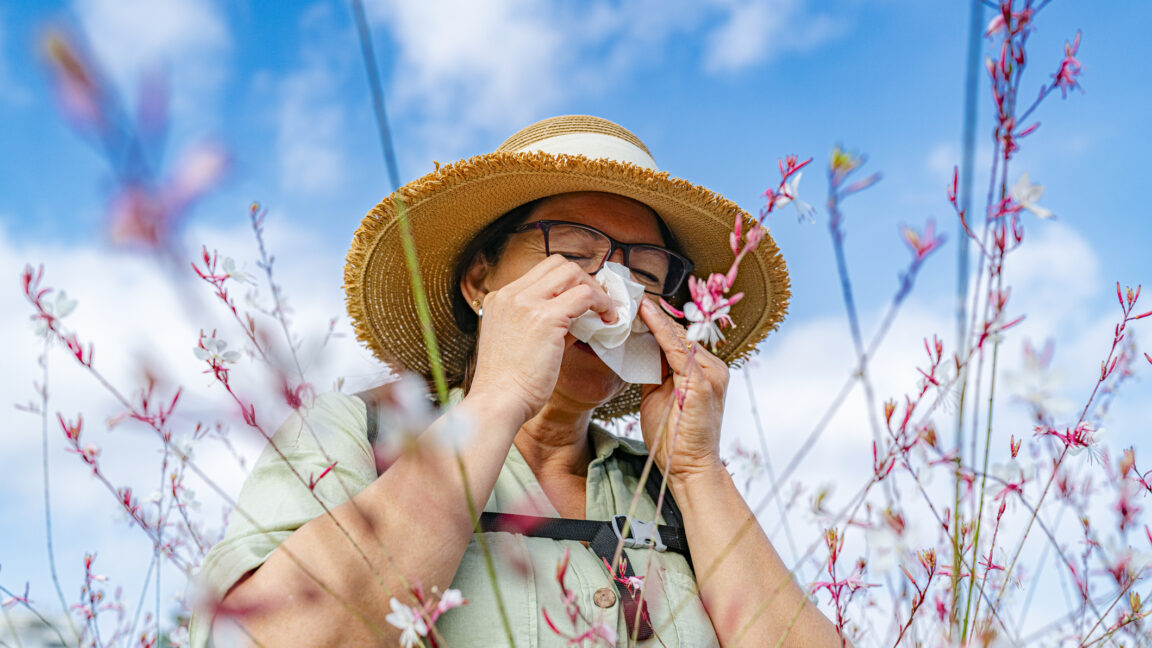
If it feels like every spring your allergies are getting worse, you're not imagining things. Climate change is fundamentally altering the patterns of pollen production and distribution across the Northern Hemisphere, leading to longer, more intense allergy seasons. Dr. Neelima Tummala, an otolaryngologist at NYU Langone Health, notes that patients consistently report their symptoms are more severe than ever—and science backs them up. With about 25% of U.S. adults and 20% of children affected by seasonal allergies, understanding how a warming planet impacts pollen is crucial. This article breaks down seven key mechanisms linking climate change to your sneezes and sniffles, and offers practical steps to find relief.
Jump to Item 1 | Jump to Item 2 | Jump to Item 3 | Jump to Item 4 | Jump to Item 5 | Jump to Item 6 | Jump to Item 7
Related Articles
- Social Media Bans for Youth: Lawmakers Rely on Flawed Science, Experts Warn
- From Trash to Treasure: A Guide to Harvesting Cannabis Leaves for Rare Medicinal Compounds
- From Cruise Ships to Congo: A Practical Guide to Strengthening Global Outbreak Preparedness
- Understanding Primary Elections and Runoffs: The Louisiana Senate Race as a Case Study
- Dr. Glaucomflecken Demands National Spotlight on Corporate Medicine Takeover
- Bridging the Gap: A Guide to Equity in the Psychedelic Therapy Movement
- From Lab to Factory Floor: A Practical Guide to AI Adoption in Pharma
- 10 Key Insights from the Study That Reversed Biological Age in Just Four Weeks