Tesla's Unsupervised Robotaxi Fleet: Slow but Steady Expansion in Texas
After months of little movement, Tesla's much-anticipated unsupervised Robotaxi fleet is finally showing signs of life. According to the latest data from the Robotaxi Tracker, the fleet has reached a cumulative total of 25 vehicles spread across three major Texas cities: Austin, Dallas, and Houston. This marks a notable departure from a long period of stagnation, even though the numbers remain far below the ambitious forecasts CEO Elon Musk once made. The new additions over the past few weeks suggest the program is beginning to gain momentum, however small. Let's dive into the details with a series of questions that unpack what this growth means and where things might be headed.
1. What is the current size of Tesla's unsupervised Robotaxi fleet and where are they located?
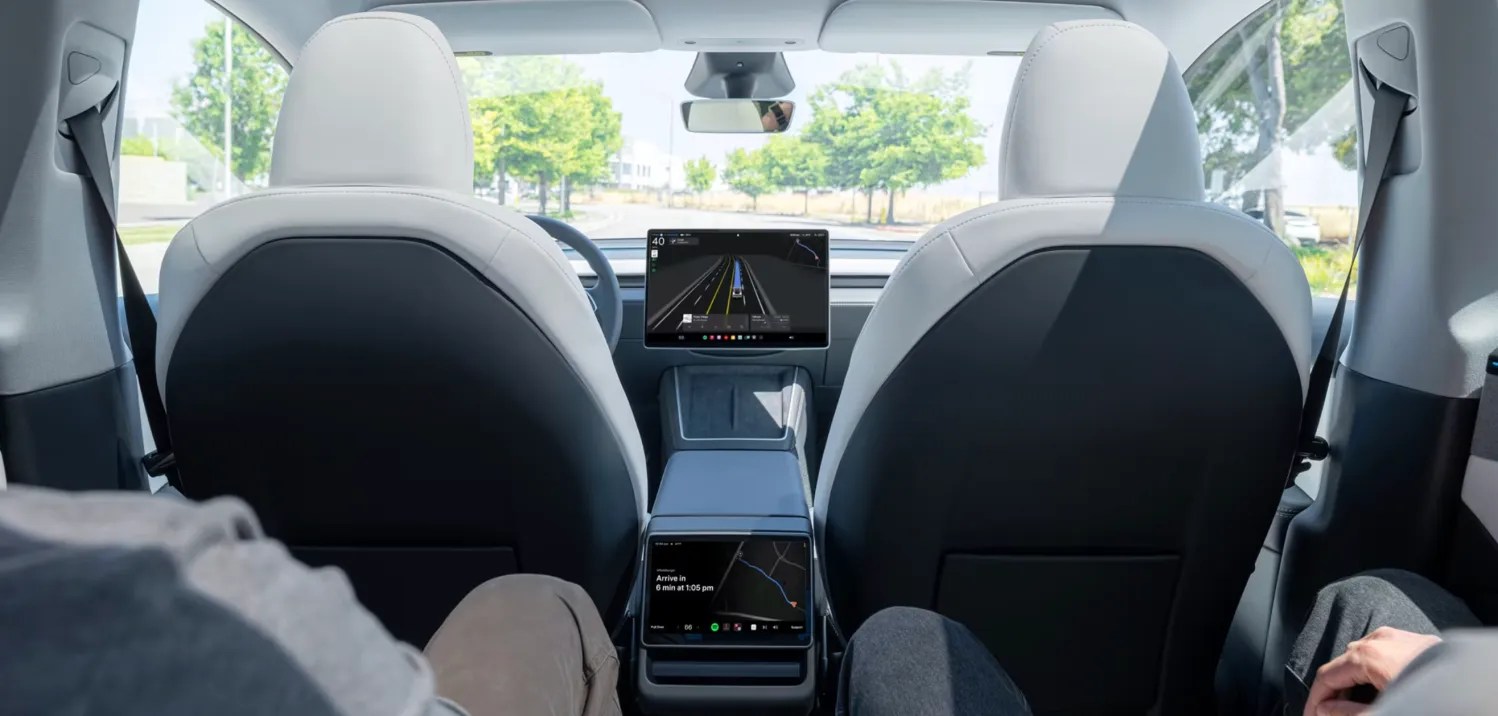
As of the most recent update, the unsupervised Robotaxi fleet consists of 25 vehicles—a modest but meaningful number. These cars are distributed across three Texas cities: Austin, Dallas, and Houston. The data, pulled from the Robotaxi Tracker, shows that all 25 vehicles are operating without a human safety driver, truly unsupervised as Tesla markets them. This tri-city presence is a strategic choice, as Texas has been a testing ground for Tesla's autonomous driving efforts due to its supportive regulations and the company's Gigafactory in Austin. The fleet size is still tiny compared to the thousands Musk once envisioned by now, but the geographic spread indicates Tesla is validating its technology in different urban environments. Each city presents unique traffic patterns, road conditions, and regulatory nuances, so having vehicles in all three allows for more robust data collection and system refinement.
2. How does this growth compare to Elon Musk's earlier predictions?
Elon Musk has a history of setting extremely ambitious timelines for autonomous driving. In the past, he predicted that by 2023 or 2024, Tesla would have hundreds of thousands of Robotaxis on the road, generating revenue for owners. The current tally of 25 vehicles is a stark contrast to those grand expectations. While any growth is positive, the pace is far slower than what Musk suggested. However, it's important to note that the technology behind unsupervised driving is immensely complex, and regulators have been cautious. The gap between prediction and reality highlights the challenges of scaling autonomous fleets. Still, the fact that Tesla has added vehicles across three cities after a long flatline suggests that the company is making incremental progress, even if it's not at the breakneck speed Musk once promised. This growth, though small, could be a foundation for more rapid expansion if the technology proves reliable.
3. What does the data from the Robotaxi Tracker reveal about recent trends?
The Robotaxi Tracker, a third-party resource that monitors public information on autonomous vehicle fleets, shows a clear turning point. For months, the number of unsupervised Teslas in Texas remained static at a very low level, essentially flatlining. Then, over the past few weeks, the tracker recorded new additions in all three cities—Austin, Dallas, and Houston. This pattern suggests that Tesla has overcome some operational or technical hurdles that were previously stalling deployment. The data doesn't specify exact dates or vehicle models, but it confirms that the fleet is no longer stalled. It's worth noting that the tracker relies on publicly available permits and disclosures, so the actual number might be slightly higher if some vehicles are not yet reported. Nonetheless, the trend is unmistakable: after nearly a year of stagnation, the Robotaxi program is finally moving forward.
4. Why is the recent expansion considered a real sign of growth after months of stagnation?
For most of the Robotaxi program's first year, the number of unsupervised vehicles barely budged. This led to speculation that Tesla was facing significant roadblocks, whether technical, regulatory, or logistical. The sudden addition of vehicles across three cities breaks that pattern. It indicates that Tesla has likely resolved key issues, such as software reliability or regulatory approvals, that were preventing expansion. Even though 25 vehicles is a small number, the trend is more important than the absolute count. A growing fleet, even if slowly, suggests the system is becoming more robust and that Tesla sees value in scaling step by step. This is especially significant because unsupervised Robotaxis represent the ultimate test of Tesla's full self-driving technology. Each added vehicle provides real-world data that can improve the AI, creating a positive feedback loop.

5. What challenges has Tesla faced in scaling its Robotaxi program?
Scaling an unsupervised Robotaxi fleet involves numerous challenges. First is the technology itself: achieving full autonomy without a human backup requires near-perfect perception, decision-making, and safety systems. Tesla has faced scrutiny over the safety of its Full Self-Driving beta software. Second, regulatory hurdles vary by state and city; Texas has been welcoming, but individual municipalities still require permits and oversight. Third, operational logistics like vehicle maintenance, charging infrastructure, and fleet management are non-trivial. Fourth, public acceptance and trust remain low after high-profile accidents involving autonomous vehicles. Finally, there's the business model: Tesla's plan relied on owners allowing their cars to ferry strangers, which raises insurance and liability questions. These factors contributed to the long stagnation. The recent growth suggests Tesla is chipping away at these barriers, but the small fleet size shows that many challenges remain unsolved.
6. What impact might this expansion have on Tesla's autonomous driving ambitions?
Any expansion of the unsupervised Robotaxi fleet is a positive signal for Tesla's broader autonomous driving vision. The fleet serves as a real-world testbed for Full Self-Driving (FSD) technology. Data collected from these 25 vehicles helps refine the neural networks and decision algorithms that will eventually power consumer-level FSD. Moreover, a growing fleet lends credibility to Tesla's claims and can help persuade regulators to approve wider deployments. If the expansion continues at a steady pace, it could accelerate the timeline for launching commercial Robotaxi services, which Musk has touted as a major revenue source. However, it's still early days. The impact will depend on whether Tesla can maintain the growth trajectory and prove the fleet operates safely. Investors and enthusiasts will be watching closely, especially for signs of expansion beyond Texas.
7. What are the next milestones to watch for in Tesla's Robotaxi rollout?
Looking ahead, several milestones would indicate the program is gaining real traction. First, a significant increase in fleet size beyond 100 vehicles would suggest Tesla is scaling beyond initial testing. Second, expansion to new states, particularly California where regulations are stricter but the market is huge, would be a strong signal. Third, the announcement of a commercial Robotaxi service—allowing the public to book rides—would be a major leap. Fourth, any reduction in safety driver incidents or improvement in miles between disengagements would demonstrate technical maturity. Fifth, partnerships with ride-hailing companies or cities could accelerate deployment. Finally, Tesla's own earnings calls and shareholder updates will be crucial for official guidance. The recent growth is promising, but sustained acceleration over the next quarter will be the real test of whether the Robotaxi dream is finally becoming a reality.
Related Articles
- ESS to Mass-Produce Alsym's Sodium-Ion Battery: A Breakthrough for Grid Storage
- How to Harness Google’s Latest TPUs for Agent Training and State-of-the-Art Models
- The Climate Action Paradox: Why Public Support Doesn't Guarantee Progress
- Top 6 Green Tech Deals: Velotric E-Bike, Anker Power Station, EcoFlow, and More
- How to Navigate Nissan's Shift from Electric Vehicles to Gas-Powered Trucks in the U.S.
- Unlocking AI-Assisted Flutter Development: A Practical Guide to Dart & Flutter Skills
- AWS Launches Standalone Sustainability Console with API Access and Custom Reporting for Scope 1-3 Emissions
- Boosting WebAssembly Performance with Speculative Inlining and Deoptimization in V8