The Insurmountable Challenges of Brain Transplants: A Technical Guide
Overview
Brain transplants have long been a staple of science fiction, yet the reality remains stubbornly out of reach. Beyond the ethical labyrinth, the core scientific and medical hurdles are profound. This guide unpacks the technical reasons why connecting a donor brain to a recipient body—and achieving functional communication between them—is currently impossible. We'll explore the biological, immunological, and neurological barriers that turn this dream into a formidable engineering and biological challenge.
Prerequisites
Before diving into the barriers, it helps to have a basic understanding of:
- Neural anatomy: How neurons connect via synapses and form networks.
- Immune system basics: How the body recognizes and attacks foreign tissue.
- Neuroplasticity: The brain's ability to reorganize itself.
- Surgical techniques: Microsurgery and nerve repair concepts are helpful though not mandatory.
No programming or advanced biology degree required—just curiosity and a willingness to think about the body as an extremely complex system.
Step 1: Understanding the Neural Connection Problem
The Micro-Level Challenge
Every nerve in the body consists of thousands of axons bundled together. A brain transplant would require severing the spinal cord at the brainstem and reconnecting millions of axons from the donor brain to the recipient’s spinal cord. Even if you could perfectly align each axon (imagine threading a needle with a hair, millions of times over), you need the severed ends to functionally integrate. This means the growth cones of regenerating axons must find the correct target cells—a precise matching that even the body’s own repair mechanisms fail at after spinal cord injury.
Synaptic Specificity
Neurons communicate through synapses, and each connection is exquisitely specific. A motor neuron controlling the left thumb must connect to the correct muscle fibers. A sensory neuron from the skin must plug into the right spinal cord region. There is no 'generic' connection; the wiring is unique to each individual. In a transplant scenario, the donor brain has its own map of the body, and the recipient body has its own. These maps don’t align. Even if axons grew, they would likely form chaotic connections, leading to paralysis, chronic pain, or no function at all.
Step 2: The Immune System and Rejection
Blood-Brain Barrier (BBB) Isn't Enough
The brain is often considered an 'immune-privileged' site because the BBB limits immune cell entry. However, this privilege is not absolute. During surgery, the BBB is breached. Once opened, the immune system can access the donor brain tissue. The primary histocompatibility complex (MHC) on donor cells will trigger a severe immune response. Without powerful immunosuppressants—which carry their own risks—the brain would be destroyed within days.
Chronic Immunosuppression Issues
Even if acute rejection is managed, long-term immunosuppression is toxic to the brain. Drugs like cyclosporine can cause neurotoxicity, cognitive decline, and increased risk of infections. Moreover, the donor brain itself contains microglial cells (the brain's resident immune cells) that are genetically different from the recipient's. These microglia can attack the recipient's body, causing graft-versus-host disease in the central nervous system—a nearly untreatable condition.
Step 3: The Problem of Identity and Connectivity
Brain-Body Interactions
The brain does not exist in isolation. It constantly receives feedback from the rest of the body via hormones, blood pressure, heart rate, and gut signals. After transplant, the donor brain would be flooded with a new hormonal milieu. The brain's own circuits are tuned to the original body's chemical state. For instance, the hypothalamus controls body temperature based on signals from the skin; if the donor brain expects one set of inputs but receives another, it may struggle to regulate basic functions.
Memory and Experience
Memories are encoded in synaptic connections and neuronal patterns unique to the donor brain. After transplant, the brain would retain the donor's memories, personality, and learned behaviors. This creates a profound philosophical and medical dilemma: the recipient's body would house a different consciousness. But from a technical standpoint, the brain's 'firmware' is not transferable—it is the brain itself. The connectivity to the body is secondary to the irreplaceable nature of neural circuitry.
Step 4: Surgical and Logistical Nightmares
Spinal Cord Reconnection
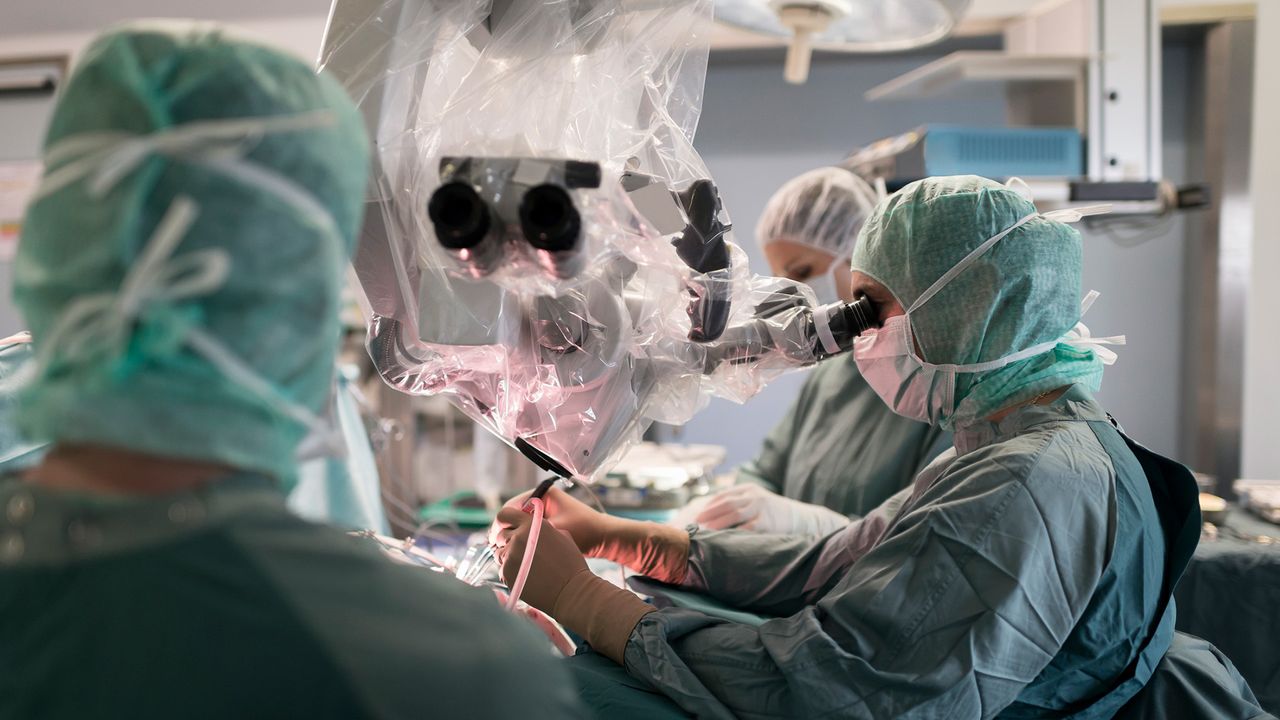
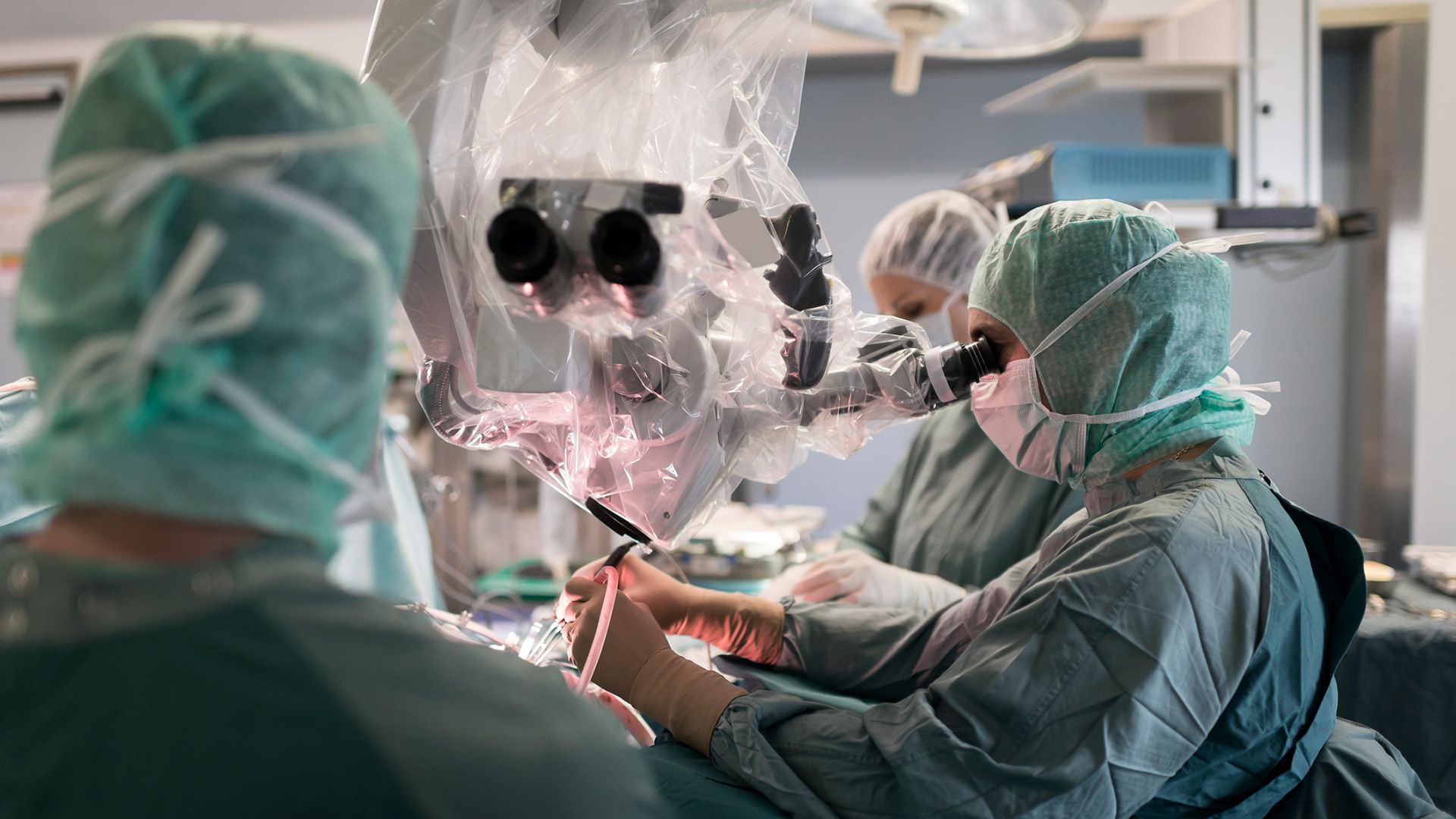
The spinal cord is not a simple cable. It contains ascending and descending tracts that must be precisely aligned. Even the most advanced microsurgery cannot reattach axons at the scale of millions. Current nerve repair technology at best handles individual peripheral nerves with moderate success. The central nervous system (CNS) has very limited regeneration capacity due to inhibitory factors like myelin-associated proteins and the glial scar. Promoting regeneration is an active research area, but achieving functional reconnection of the entire spinal cord remains decades away, if ever possible.
Blood Supply and Oxygenation
The brain consumes about 20% of the body's oxygen. During transplant, the donor brain must be kept alive without blood flow for minutes—any longer and irreversible damage occurs. Cooling the brain can extend this window, but the process of detaching and reattaching blood vessels (the circle of Willis) is extremely delicate. Clotting, air emboli, and vasospasm are constant threats. Even with perfect technique, the risk of stroke or catastrophic bleeding is enormous.
Common Mistakes
- Assuming the brain is a standalone computer: The brain is deeply integrated with the body via hormones, nerves, and blood. It cannot operate separately.
- Underestimating immune rejection: The brain's immune privilege is temporary and easily lost; chronic rejection is almost certain.
- Believing nerve regrowth is simply a matter of alignment: Even if axons grow, they must form functional synapses, which requires chemical guidance and target matching that does not exist in adult CNS.
- Overlooking identity issues: Even if technically possible, the resulting individual would be the donor's consciousness in a new body—not a 'brain transplant' in the sense of keeping the recipient's self.
- Ignoring cold ischemia time: The brain is extremely sensitive to lack of oxygen; even advanced preservation techniques cannot prevent damage beyond a short window.
Summary
Brain transplants remain impossible due to three fundamental barriers: the inability to reconnect millions of specific neural pathways, the inevitability of immune rejection despite immunosuppression, and the loss of brain-body feedback that would disrupt basic life functions. Even if surgical techniques improved, the biological and neurological obstacles are so immense that they challenge our current understanding of identity and life itself. For now, the dream of a brain transplant stays firmly in the realm of fiction, serving as a powerful lens through which we explore the complexity of the human nervous system.
Related Articles
- Why Human Oversight Remains Essential in the Age of AI
- Maximizing GPU Performance with CuPy: A Comprehensive Guide to GPU-Accelerated Computing in Python
- Open-Source Board Turns Google Home Mini into Private Home Assistant Hub for $85
- Master the King: A Step-by-Step Guide to Conquering Saros's Final Boss
- 10 Essential Strategies for Adding AI to Your Product Without Frustrating Users
- Critical Patches Released for cPanel & WHM: Three Security Vulnerabilities Addressed
- Grafana 13: Accelerating Insights and Scaling Operations with Ease
- MySQL 9.7 LTS: What It Means for Developers and the Community