Fibermaxxing: The TikTok Trend That's Got Everyone Boosting Their Daily Fiber Intake
Introduction
Wellness trends come and go, but the latest one to take over TikTok is here to stay—at least for your gut. Move over proteinmaxxing and nutrient timing; fibermaxxing is the viral movement encouraging people to pack their meals with high-fiber foods. Social media influencers like @shanny_do, a self-proclaimed “fiber-obsessed gastroenterologist,” share their daily fiber-packed lunches: Ethiopian spicy lentils, black beans, baba ganoush, carrots, a medley of berries, an oat-based Z bar, and an apple. The hashtag #fibermaxxing has exploded, reflecting a broader shift toward digestive health. But this isn’t just a fad—the global wellness industry, valued at $6.3 trillion and projected to reach $9 trillion by 2028, is paying attention. Here’s everything you need to know about the trend that’s putting fiber back on the table.
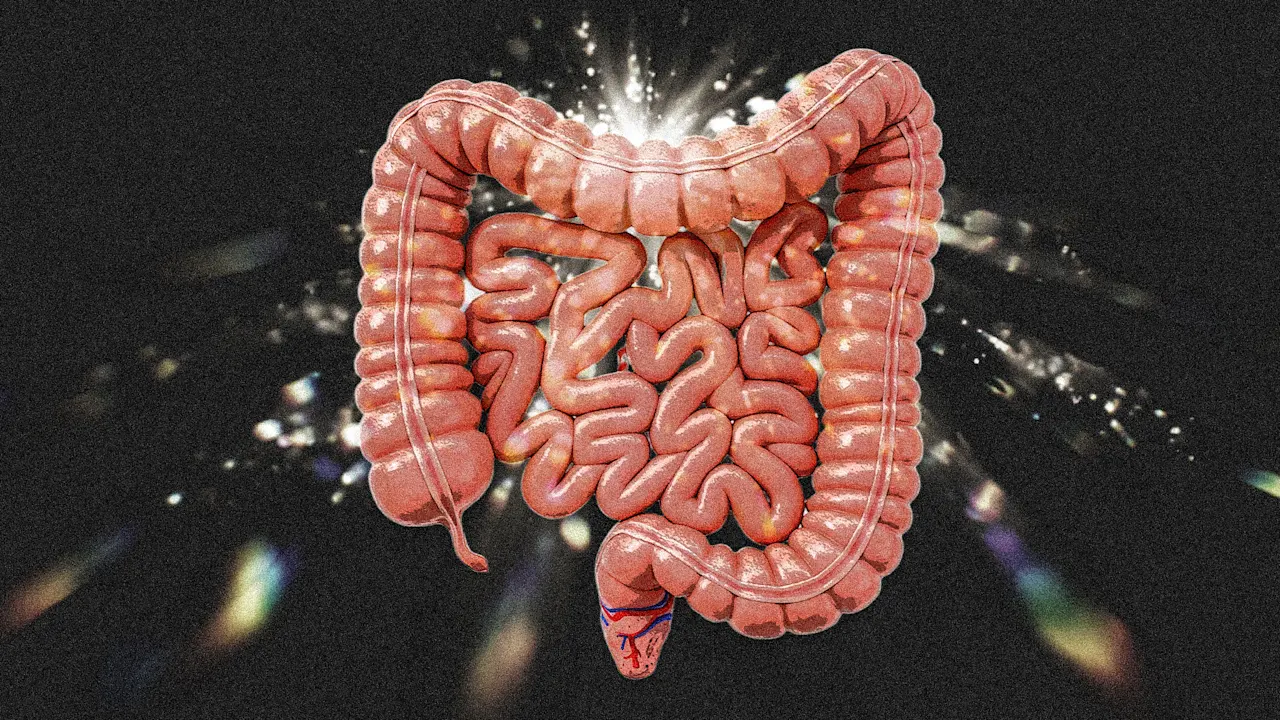
What Is Fibermaxxing?
In its simplest form, fibermaxxing means consuming a high amount of dietary fiber at every meal throughout the day. The U.S. Department of Health and Human Services recommends 25 grams per day for women and 38 grams per day for men. Yet a staggering 95% of Americans fail to meet these guidelines, averaging just 16 grams daily. The trend directly addresses this deficiency by promoting fiber-rich foods over processed alternatives. The popularity of gluten-free products and low-fiber cereals has exacerbated the problem, making fibermaxxing a timely intervention.
Why You Need Fiber
Fiber is more than just a digestive aid. As Monica Kelly, associate health and wellbeing manager at Montefiore Einstein, explains, “Fiber is a type of carbohydrate that’s beneficial for gut health.” But its benefits extend far beyond the digestive tract. Hannah Holscher, a professor of nutrition at the University of Illinois Urbana-Champaign, notes that adequate fiber intake reduces the risk of cardiovascular disease, type 2 diabetes, and certain cancers—especially colorectal cancer.
Two Types of Fiber
Not all fiber is created equal. According to Harvard Medical School, there are two main types:
- Soluble fiber: Helps regulate blood sugar, lower cholesterol, and reduce heart disease risk. Found in fruits, vegetables, beans, and seeds.
- Insoluble fiber: Promotes regular bowel movements, removes waste, and prevents constipation. Found in oats, whole grains, and some fruits.
Both are essential for overall health, and fibermaxxing encourages a balance of the two.
How to Get More Fiber
Boosting your fiber intake doesn’t require drastic changes. Start by incorporating these foods into your meals:
Soluble Fiber Sources
Beans (black, lima, kidney), broccoli, Brussels sprouts, apples, carrots, and seeds like chia or flax are excellent choices. Snack on an apple or add a handful of beans to your salad.
Insoluble Fiber Sources
For insoluble fiber, turn to potatoes with skin, whole wheat flour, wheat bran, brown rice, nuts, and seeds. A simple swap—choosing brown rice over white—can make a difference.
For a practical example, look at @shanny_do’s lunch: Ethiopian lentils (soluble), black beans (soluble), baba ganoush (soluble), carrots (soluble and insoluble), berries (soluble), and an oat-based bar (insoluble). This meal easily surpasses the recommended daily intake in one sitting.
Conclusion
Fibermaxxing isn’t just a fleeting trend—it’s a reminder of the foundational role fiber plays in our health. By aiming for 25–38 grams daily through a variety of whole foods, you can improve digestion, lower disease risk, and join the movement that’s transforming wellness one meal at a time. Ready to start? Your gut will thank you.
Related Articles
- Amiability Online: What the Vienna Circle Teaches Us About Web Design
- Mastering GA4 for Shopify: Key Metrics and Analysis Steps After Setup
- The Rise of Agentic AI in Marketing: Adobe, NVIDIA, and WPP Collaborate for Scalable Creative Intelligence
- Transforming Utility Software: A Designer’s Guide to Crafting Engaging Maintenance Tools
- Facebook Unveils Major Overhaul to Groups Search, Targeting Smarter Community Discovery
- Understanding BlackFile: A Deep Dive into Vishing Extortion Operations
- Redesigning Utility Software: From Chore to Delight
- How to Redesign System Tools Users Will Love (Not Just Tolerate)